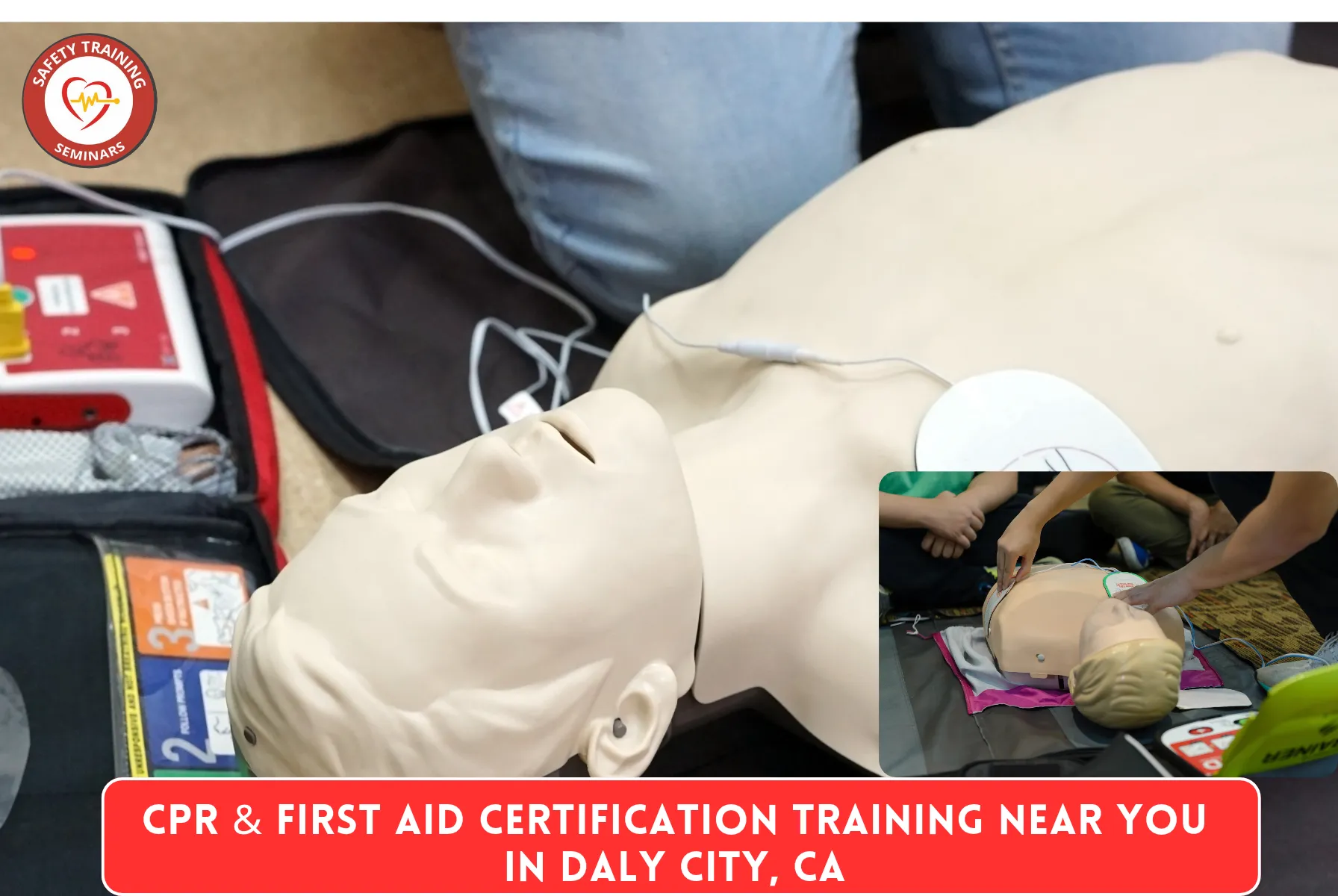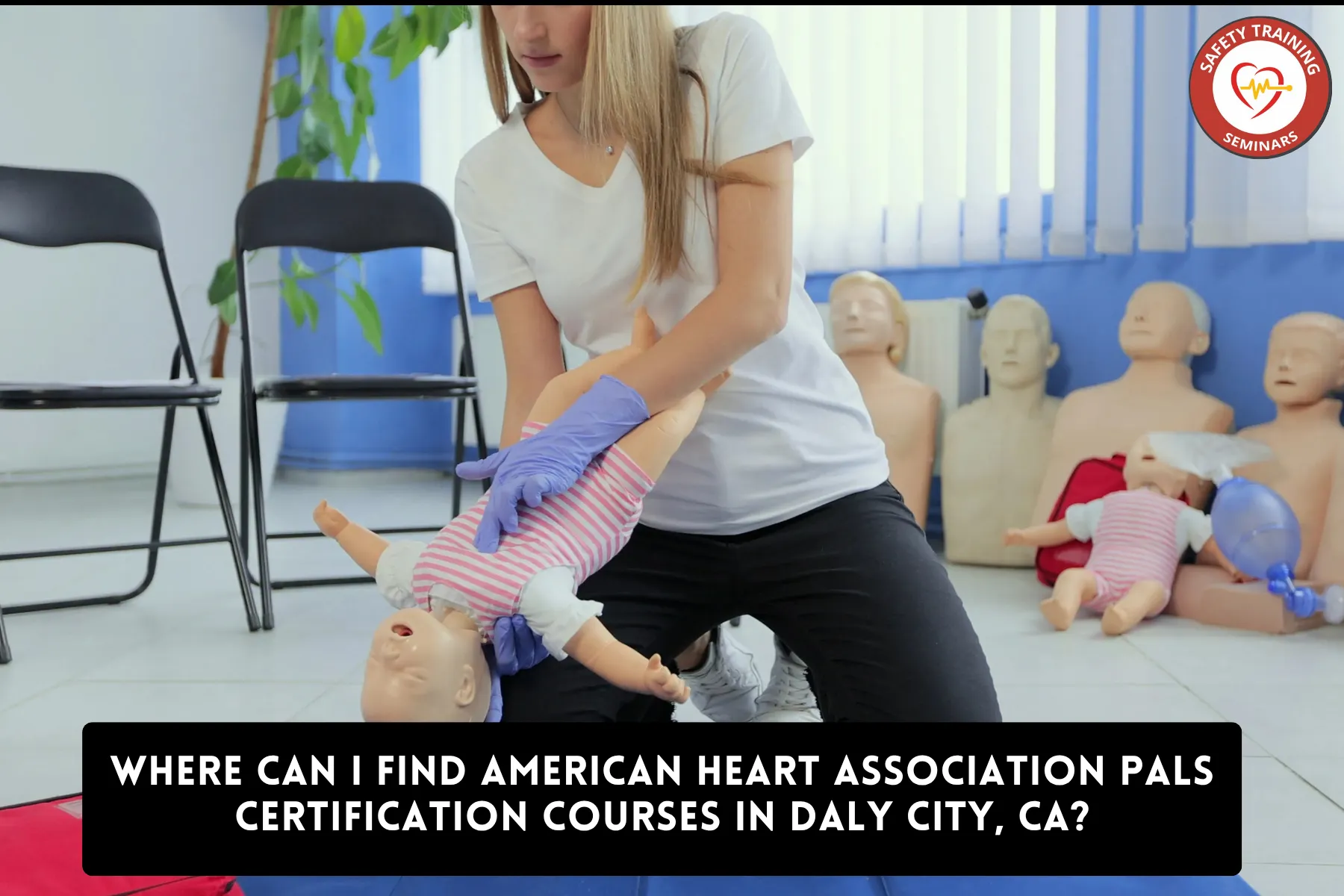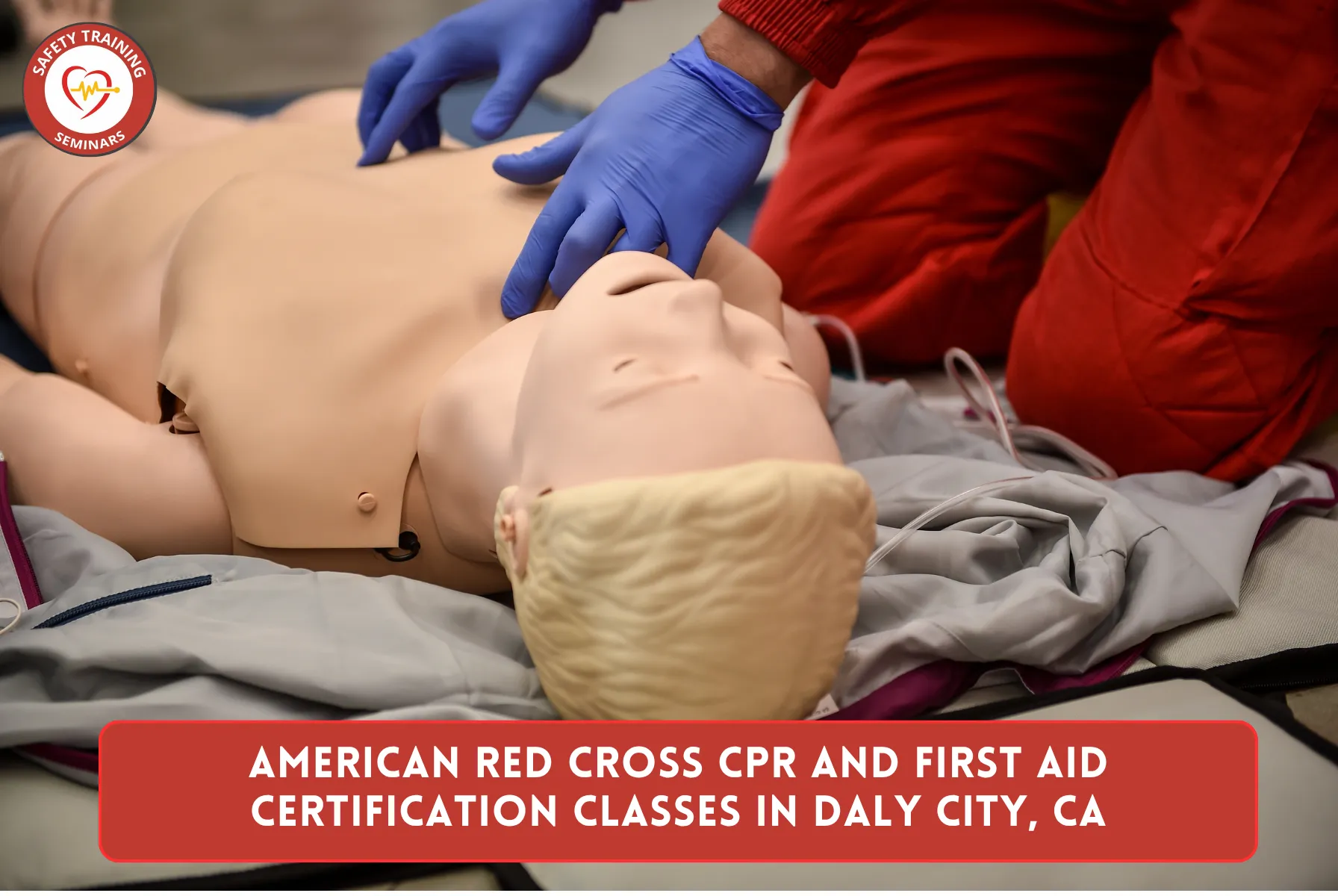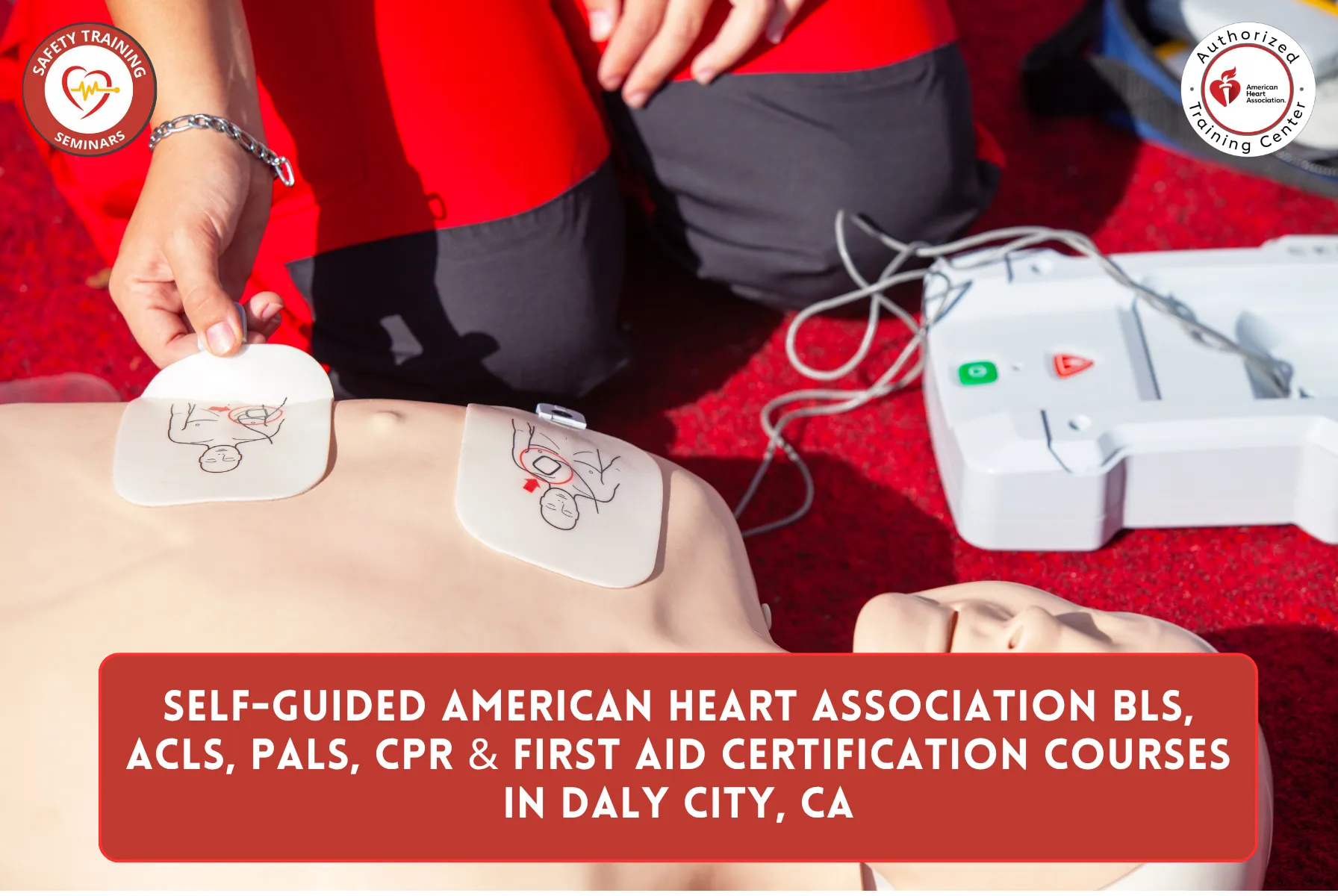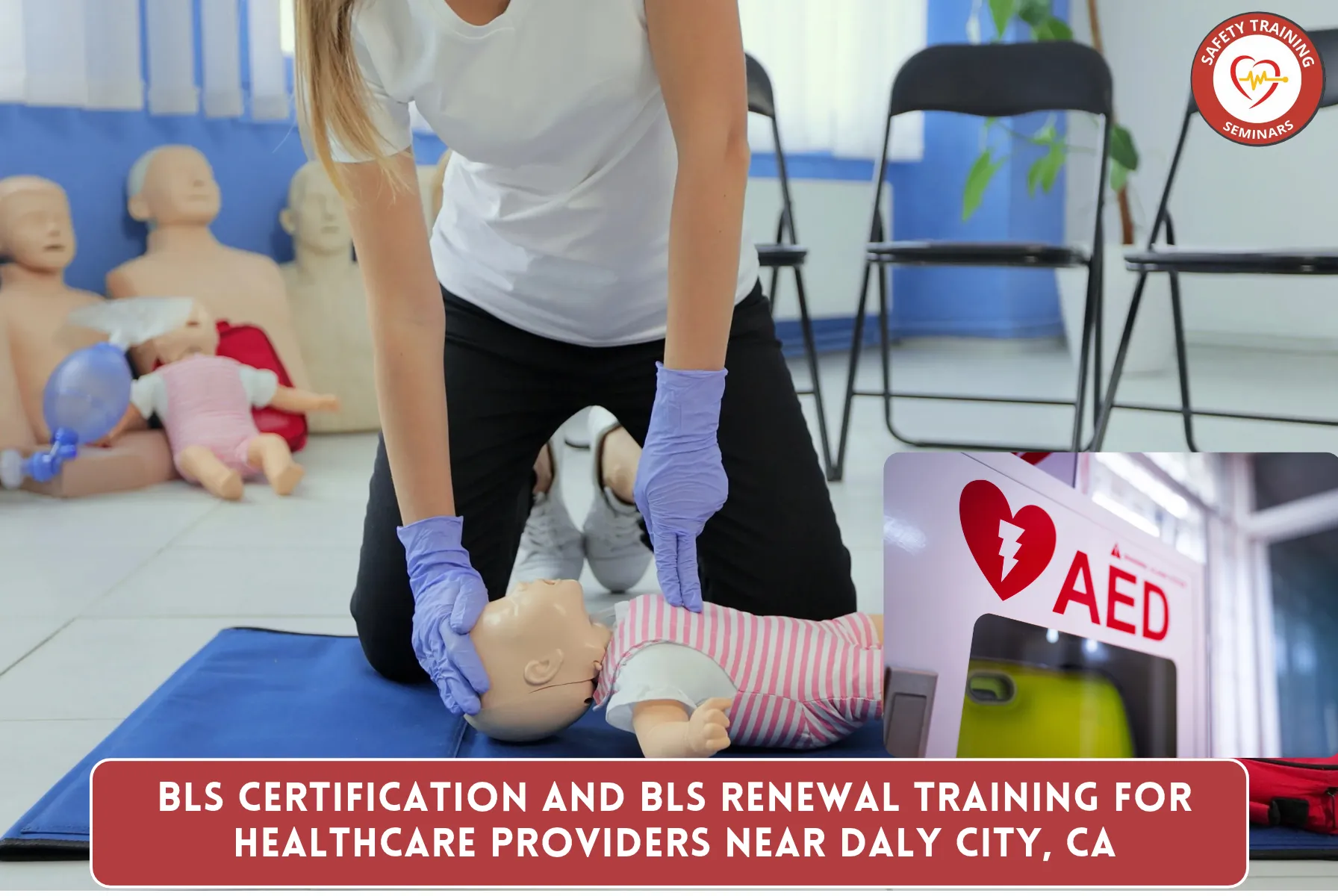
Nobody survives a heart arrest by themselves for very long. Within minutes, a complete team is rotating, documenting, and making choices as the first clinician at the patient’s bedside begins compressions, a second comes with a bag-mask device, a third provides the AED, and so on. The training they share has a significant impact on how well the first group performs in those initial minutes: BLS stands for basic life support.
BLS is the standard language of resuscitation for nurses, respiratory therapists, EMTs, surgical technologists, and other medical professionals in Daly City and northern San Mateo County. Through that team view, BLS is examined in this guide. In order to keep your skills and course completion up to date, it describes what BLS training covers, how it relates in local care settings, what students should know prior to their first course, and how to renew your BLS certification.
Basic Life Support, Viewed as a Team Skill
Basic Life Support is the American Heart Association’s (AHA) resuscitation course for healthcare providers. The AHA describes the BLS Provider course as the foundation for saving lives after cardiac arrest, and the current version reflects the 2025 AHA Guidelines for CPR and Emergency Cardiovascular Care.
Every skill in BLS can be done by a single rescuer, but the course also prepares you to do it as one member of a coordinated group. The AHA notes that classroom BLS emphasizes high-quality CPR, including a team dynamics activity. In practice, that means learning how core BLS tasks fit together:
- Recognition and activation. Quickly identifying cardiac arrest or another life-threatening emergency and calling for help and equipment.
- Compressions. Delivering high-quality CPR for adults, children, and infants, with correct rate and depth, full chest recoil, and minimal pauses, and switching compressors before fatigue sets in.
- Airway and ventilation. Giving effective breaths with a pocket mask or a bag-mask device, a task that often falls to a second rescuer.
- Defibrillation. Bringing an AED to the patient early, attaching pads, and following its prompts with minimal interruption to compressions.
- Choking response. Relieving foreign-body airway obstruction in responsive and unresponsive patients.
- Communication. Using clear roles and closed-loop communication, so instructions are stated, confirmed, and completed.
How BLS differs from a community CPR course
The general public and employees without clinical responsibilities can learn CPR, AED use, and first aid through the AHA’s Heartsaver classes. BLS includes professional-level skills including bag-mask ventilation, two-rescuer CPR, and team-based response and is designed for individuals with patient care responsibilities.
Because of this, BLS is not the best option for everyone. A Heartsaver training may be completely beneficial for an office worker or school personnel. Verify the needed course name before registering, as the decision is based on your employment, your employer’s regulations, and any educational program needs.
Where Daly City Clinicians Use Team Resuscitation Skills
The largest healthcare setting in town is AHMC Seton Medical Center on Sullivan Avenue, which the California Department of Health Care Access and Information (HCAI) lists as a general acute care hospital. Its service profile includes an emergency department and a cardiac catheterization lab, and the hospital is often described as Daly City’s largest employer. Seton also operates Seton Coastside in Moss Beach, a skilled nursing facility with a 24-hour standby emergency department.
In a setting like this, BLS is the base that every resuscitation is built on. Even when advanced providers arrive and ACLS or PALS takes over, the work still depends on continuous, high-quality compressions and effective ventilation. Each team member’s BLS skills shape how well that happens.
The same principles apply outside the hospital, where teams are smaller:
- Medical and dental offices. A front-desk staff member, a medical or dental assistant, and a clinician may be the entire response team until EMS arrives.
- Skilled nursing and post-acute care. Nursing staff caring for medically complex residents may need to begin CPR and coordinate with each other before paramedics reach the bedside.
- Procedural areas. Surgical technologists and anesthesia staff work near patients receiving sedation, where airway and ventilation skills carry direct relevance.
- Respiratory care. Respiratory therapists often manage the airway during a resuscitation, which puts bag-mask ventilation at the center of their role.
Because requirements differ by employer and role, healthcare workers should confirm which course their facility expects rather than assuming one standard applies everywhere.
First-Time BLS Training for Northern Peninsula Healthcare Students
Many future healthcare workers in the area train at Skyline College, located on College Drive in San Bruno. Skyline’s health programs include respiratory care at the associate and bachelor’s levels, surgical technology, anesthesia technology, sterile processing technology, and emergency medical technology. The college uses a simulation lab to train surgical technology, respiratory care, and sterile processing students, and its EMT program includes observation in a local hospital.
Students preparing for clinical work typically need an initial BLS Provider course rather than a renewal course. An initial course builds the full skill set from the beginning, including the hands-on practice that makes compressions, ventilations, and AED use feel automatic.
Before registering, students should confirm with their program:
- Whether it requires the AHA BLS Provider course specifically.
- How long the eCard must remain current, such as through a full clinical rotation.
- When and how proof of course completion must be submitted.
BLS Recertification Classes for Healthcare Providers: Planning Your Renewal
For those who currently own an AHA BLS eCard, there is a BLS renewal course. It covers changes in resuscitation science, which is particularly pertinent now that the training reflects the 2025 Guidelines, examines fundamental skills, and offers practical experience and testing.
AHA eCards are good for two years until the end of the month in which they are issued, according the AHA’s course card reference guide. Although it represents the beginning of the planning process, that date is not the complete picture. Employers may establish their own scheduling guidelines, and the AHA refers renewal inquiries to training facilities.
A practical renewal checklist:
- Find the issue date on your current eCard and calculate the end of its validity month.
- Ask your employer or school whether it requires renewal by a specific date.
- Confirm with the training provider that you are eligible for a renewal course. If your card is no longer current, you may need the initial BLS Provider course instead.
- Schedule early enough to avoid a gap, especially if your facility will not let you work clinically without current course completion.
Renewal is also a chance to rebuild skills that may not get regular use, such as infant CPR, two-rescuer transitions, and bag-mask technique.
How AHA BLS Course Formats Lead to the Same eCard
The AHA offers BLS as a classroom course or as blended learning. Blended learning combines HeartCode® BLS, an online portion completed at your own pace, with a hands-on skills session. The AHA states that all BLS course options teach the same science-based skills and lead to the same course completion card.
Two points help avoid confusion:
- The online portion alone is not enough. The AHA requires successful completion of both the HeartCode online course and a hands-on skills session to receive a course completion eCard.
- An eCard is not a professional license. It documents that you completed an AHA course. It does not replace any state licensing requirement, and employers decide which course completion they accept. Each eCard carries a code employers can use to verify it.
Training Close to Serramonte: Safety Training Seminars in Daly City
At 333 Gellert Blvd., Suite 215, Daly City, CA 94015, in the Serramonte Office Plaza close to Gellert Marketplace, Safety Training Seminars has a training facility. Bus stops are situated at Gellert Blvd. and Serramonte Blvd. and Gellert Blvd. and Hickey Blvd. The office is located on the second floor in the middle of the atrium.
American Heart Association courses, including BLS for medical professionals, ACLS, PALS, CPR, and First Aid, are available at the Daly City center. Safety Training Seminars is an authorized distributor of AHA Self-Guided LearningTM. Formats may include HeartCode® Complete with a practical skills test at a CPR Verification StationTM, depending on the course. Check the course site before making a reservation because first and renewal courses may have different formats.
To see current course types, availability, and registration details for initial training or renewal, visit the page for BLS training in Daly City. Before you register, confirm that the course matches your employer’s or program’s requirements.
Frequently Asked Questions
Is there a BLS training center located in Daly City itself?
Yes. Safety Training Seminars has a training center within Daly City at 333 Gellert Blvd, Suite 215, near Serramonte. Current course options and registration are listed on its Daly City BLS course page.
I’m a respiratory care or surgical technology student. Which BLS course should I take?
Most students taking BLS for the first time need the initial BLS Provider course. Your program’s requirements come first, so confirm the exact course name and timing with your program before you register.
How do I know when my BLS renewal is due?
Check the issue date on your AHA eCard. The AHA states that eCards are valid for two years through the end of the month of issue. Your employer may want you to renew earlier, so check its policy as well.
Does completing BLS mean I’m licensed?
No. An AHA BLS eCard shows that you completed an AHA course. Professional licenses are issued by state licensing boards and have separate requirements.
Will my employer accept my AHA BLS eCard?
The AHA describes its eCards as valid proof of course completion that can be shown to employers. Acceptance is still each employer’s decision, so confirm that your facility requires the AHA BLS Provider course.
Be the Teammate Your Next Code Needs
When a patient arrests, outcomes depend on more than one person’s skill. They depend on a team that recognizes the emergency quickly, keeps compressions going, ventilates effectively, gets the AED on early, and communicates clearly. Current BLS training is how each member of that team prepares.
Whether you are starting clinical training at a nearby college or your eCard is approaching its end date, review the options for healthcare-provider BLS training near Daly City at Safety Training Seminars, confirm what your employer or program expects, and choose the course that fits your next step.